

Index
- Why do black jeans lose color?
- Dyeing black jeans in the washing machine: the simplest method
- How to wash black jeans so they don't fade
- Natural remedies to revive black hair
- Hand dyed for total color control
- Common mistakes to avoid
- Maintain color over time
- Frequently Asked Questions
Last updated: August 6, 2026
Why do black jeans lose color?
Black jeans lose color because indigo and synthetic dyes don't fully adhere to the cotton fibers. During repeated washing, water and detergent gradually pull these pigments from the fabric's surface. L , the traditional denim dye, settles on the fiber rather than fully penetrating it, which explains why black jeans show lighter blue streaks in areas of wear like the pockets and inner thighs.

Aybel Black Fabric Dye
Mixed-fiber jeans also suffer from the same problem. Polyamide absorbs dyes differently than pure cotton, creating areas of uneven color over time. The good news is that the faded color isn't permanent. With the right tools, you can revive your black jeans and restore their original look. Aybel offers solutions specifically designed for dyeing jeans both in the washing machine and by hand, achieving professional results.
Dyeing black jeans in the washing machine: the simplest method
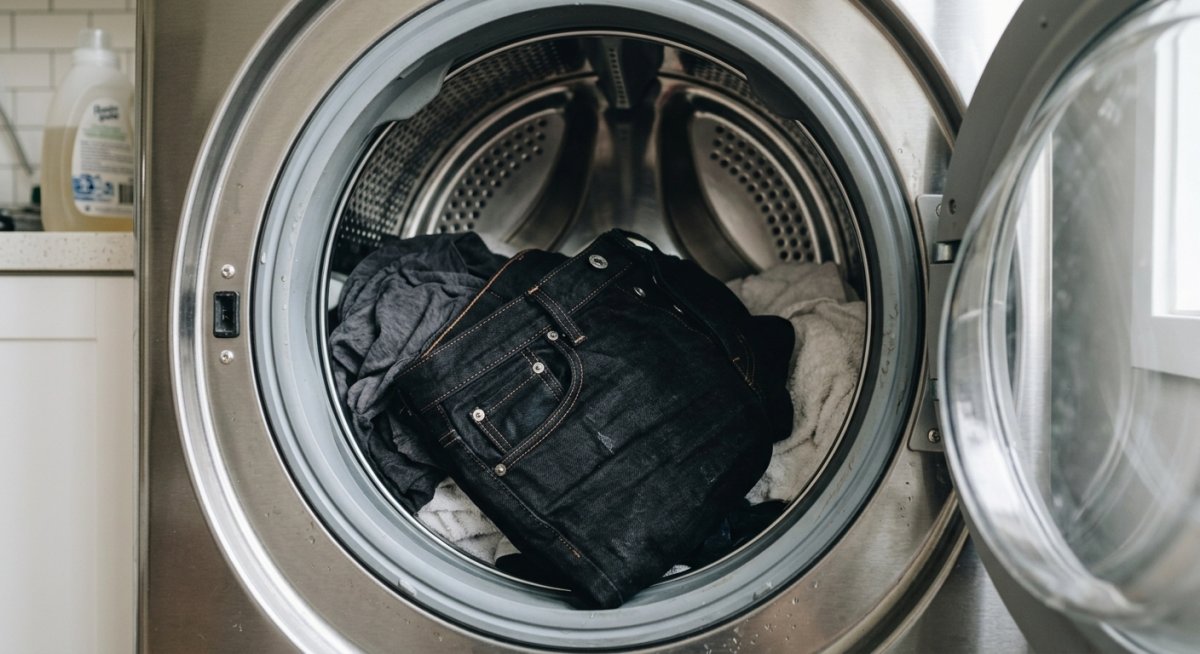
The quickest method for dyeing black jeans in the washing machine requires minimal manual intervention and produces uniform results. The washing machine distributes the dye evenly throughout the garment.
What do you need?
- A fabric dye specifically formulated for cotton (such as Aybel's Black Fabric Dye)
- A professional fixing agent to stabilize the color
- A gentle detergent without optical bleach
- Hot water (40-60 degrees Celsius)
- Clean, damp jeans
- A spoon for mixing
Step-by-step procedure
Step 1: Prepare the jeans (5 minutes)
Wash your jeans in cold water to remove dust and dirt. Don't dry them completely: damp fabrics absorb the dye more evenly. L moisture allows the dye to penetrate gradually rather than settle unevenly.
Step 2: Prepare the washing machine (2 minutes)
Place the jeans in the drum and select a sufficiently long wash cycle with hot water (40-60 degrees Celsius). Don't use 90-degree water: excessively high temperatures damage the elastic fibers found in modern jeans.
Step 3: Add the dye (1 minute)
Pour the dye dissolved in water directly into the drum or detergent compartment. Make sure there are no lumps and that the dye is evenly dissolved.
Step 4: Start the cycle (45-60 minutes)
Run a cotton cycle at 40/60 degrees for at least 45-60 minutes. This time allows the dye to fully penetrate the fibers without causing damage.
Step 5: Rinse thoroughly (10 minutes)
Run a cold water rinse cycle. Cold L closes the fibers and seals in the dye. Repeat the rinse cycle at least twice until the drained water runs completely clear. This step is critical to prevent future color fading.
Step 6: Apply setting agent (5 minutes)
After the final rinse, add a setting agent like Aybel Fiske directly to the washing machine or to the fabric softener compartment. Run a final short cycle (15-20 minutes) on cold water with the setting agent.

Fiske Fixing Agent
Step 7: Dry properly
Don't use a dryer. Hang your jeans outside in the shade. Direct sunlight will fade freshly applied black.
How to wash black jeans so they don't fade
Once revived, maintain your black jeans with proper washing habits. Small changes can extend the life of the color by months.
Temperature and wash cycle
Cold L is your best friend. Whenever you wash black jeans, always use cold water. Cold L significantly reduces the extraction of dyes from the fibers.
Always select a delicate cycle, not the standard cycle. The standard cycle creates more agitation and friction, accelerating the release of pigments. Don't overload the washing machine: jeans need room to move freely. Wash jeans with other black or dark clothes, never with whites.
Choice of detergent and fixatives
Use a detergent specifically designed for dark fabrics or a gentle detergent without optical bleach. Optical bleach can dull black fabrics and accelerate fading. Use about 30-40% of the manufacturer's recommended amount: more detergent doesn't mean cleaner.
Consider using a fixative for dark colors once a month. Products like Aybel Fiske can be added during the rinse cycle to further seal the dye. Always air dry in the shade.
Natural remedies to revive black hair
When you don't want to resort to a full commercial dye, natural remedies can effectively revive black. These methods use tannins, natural acids, and plant-based dyes that settle on the cotton fibers.
Vinegar and tannins
White L is one of the simplest remedies. Acetic L helps set existing dyes and adds a slight darker shade. The method takes just over an hour.
- Fill a large tub with cold water (10-15 liters for a pair of jeans)
- Add 250 ml of white vinegar
- Submerge the jeans completely and let them sit for 30-45 minutes
- Stir occasionally
- Rinse thoroughly in cold water until the odor disappears.
- Air dry
This method is not a true dye, but a fixing treatment that produces a slightly deeper black and better fade resistance.
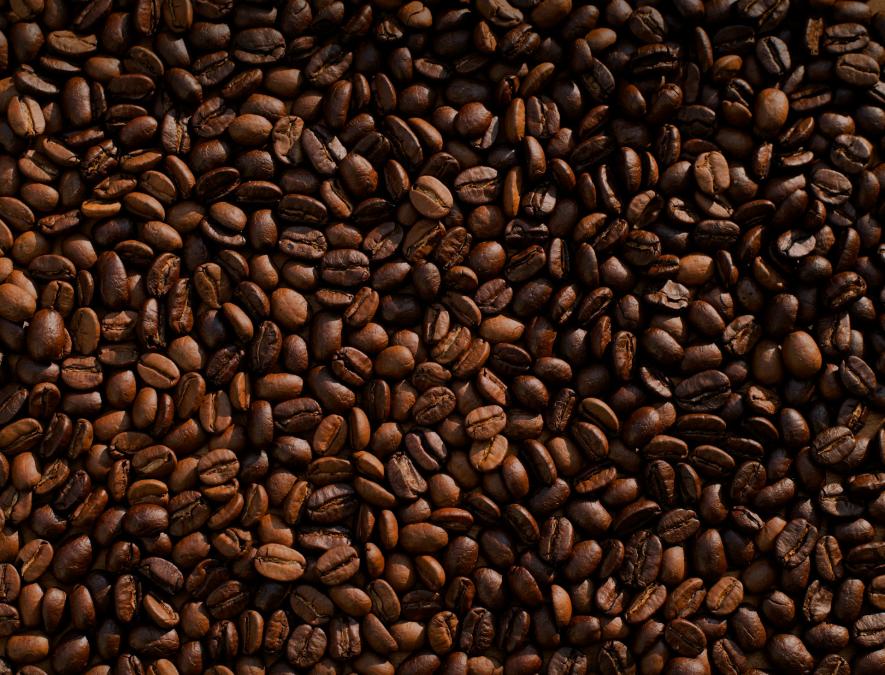
Coffee and tea as natural dyes
Coffee and black tea contain natural tannins and pigments that settle on cotton fibers. For the coffee method:
- Prepare a strong concentration: use 8-10 instant coffee sachets for 10 liters of hot water
- Leave to infuse for 15-20 minutes, then filter well
- Soak the jeans in the still hot coffee water
- Let it rest for 60-90 minutes, stirring every 15 minutes
- Rinse in cold water until the water runs clear.
- Air dry
The tea method is identical, but black tea is often more effective because the tannins are more abundant. Both methods produce visible but moderate results, naturally reviving a faded black.
Hand dyed for total color control
When you want maximum control over the final result, hand dyeing is ideal. This approach requires more time and attention, but it allows you to observe the process step by step.
Preparation and immersion
Prepare a large workspace, preferably outdoors or well-ventilated. You'll need a stainless steel or enamel pot large enough to hold the jeans completely submerged. The pot should be dedicated to dyeing.
Fill the pot with hot water (60-70 degrees Celsius) and add the liquid dye. One bottle of Aybel dye is designed for 10-15 liters of water. Stir well to distribute the dye evenly.
Completely submerge the jeans in the dyed water. Make sure every part is covered. Maintain a constant temperature during the 45-60 minute soaking. Stir gently every 10-15 minutes, moving the jeans slowly from one side of the pot to the other.
Avoid stains and uneven coloring
To avoid stains:
- Make sure the dye is completely dissolved before adding the jeans.
- Don't leave your jeans sitting on the bottom of the pan
- If you notice an area that is not completely submerged, gently push the head down
- After 20-30 minutes, turn the jeans inside out.
- If using powdered dye, dissolve it completely in hot water before adding it.
After soaking, rinse the jeans in cold water. Start with lukewarm water and gradually reduce to cold. Continue until the water runs completely clear. Apply the setting agent according to the product instructions.
Common mistakes to avoid
Using too hot water: Boiling L damages elastic fibers and causes uneven coloring. Stay within the 40-60 degree range.
Skipping the rinse: Insufficient rinsing is the main reason why jeans continue to bleed. L rinse water should be completely clear.
Don't use a fixative: Fixative reduces color fading by 50-70% in the following months. It's a small investment that protects a larger investment.
Dyeing severely faded jeans without prepping them: If the jeans have gray areas, they may not absorb the black color evenly. Consider pre-treating them with vinegar before dyeing.
Dry in direct sunlight: Sunlight fades newly dyed black. Always dry in the shade.
Overloading the washing machine: The limited space causes uneven coloring.
Using too strong a detergent: A harsh detergent will strip the dye you just applied. Always use a gentle detergent.
Maintain color over time
Once you've revived your black jeans, maintaining them requires constant attention. Wash your jeans as infrequently as possible: no more than once every two weeks, or even once a month if they're not dirty. Between washes, hang them outside to air out odors.
When washing, always use cold water and a gentle cycle. Each hot wash removes a small amount of dye. Over the course of a year, this buildup becomes visible as fading.
Avoid hanging your jeans in direct sunlight for extended periods. L to UV rays will gradually fade the black. Consider a fixative soak every three months if you wear your jeans frequently. If the black begins to fade again after 6-12 months, you can repeat the dyeing process.
Reviving faded black jeans isn't complicated, but it does require the right method and the right products. Whether you choose to machine-dye for simplicity, hand-dye for control, or use natural remedies for a sustainable approach, the result is the same: extending the life of your favorite garments. With Aybel's range of black dyes and Fiske's fixing agent, you can achieve professional results at home. Get started today and transform your faded jeans into something you'll love to wear again.
Method |
Total Time |
Difficulty |
Best For |
|---|---|---|---|
Dyeing in the washing machine |
2-3 ore |
Easy |
Beginners, consistent results |
Hand dyeing |
2-3 ore |
Average |
Who wants total control |
Vinegar and tannins |
1 hour |
Easy |
Light revitalization, fixation |
Coffee/Tea |
2 hours |
Easy |
Natural, gradual results |
Frequently Asked Questions
Is it possible to recover the color of faded black jeans?
Yes, it's completely possible. Faded black jeans can be revived with fabric dyes like Aybel, or with natural remedies like vinegar, coffee, and tea. Machine dyeing is the simplest method and offers consistent results, while hand dyeing gives you more control. Success depends on the condition of the denim and the type of fiber: pure cotton, silk, and wool respond better than synthetic blends.
How to effectively dye black jeans in the washing machine?
Place damp jeans in the washing machine, pour Aybel Black dye (€4.99) into the drum or dispenser, select a 40-60°C cycle for 45-60 minutes, then rinse with cold water until the water runs clear. Use Fiske Fixing Agent (€4.99) on a separate cycle to lock in the color. This method ensures a uniform and long-lasting color, ideal for those with no dye experience.
What are the most effective natural remedies for reviving black fabrics?
White L is the most powerful natural remedy: the acetic acid it contains helps set the color and deepen the black. Soak the jeans in a mixture of cold water and vinegar (1 part vinegar to 4 parts water) for 30–60 minutes. Strong coffee and tea offer a gentler solution: prepare a concentrated bath, soak the jeans for 20–40 minutes, then rinse. These methods are economical and environmentally friendly, although less intense than synthetic dye.
Why do my black jeans keep fading after just a few washes?
L and synthetic pigments come off the fibers during washing, especially with hot water and agitation. To slow this process, wash your jeans in cold water (maximum 30°C), use a gentle detergent specifically designed for dark fabrics, and reduce the frequency of washing. After dyeing, always apply a fixative like Aybel Fiske to seal the color in the fibers and prolong the durability of the black.