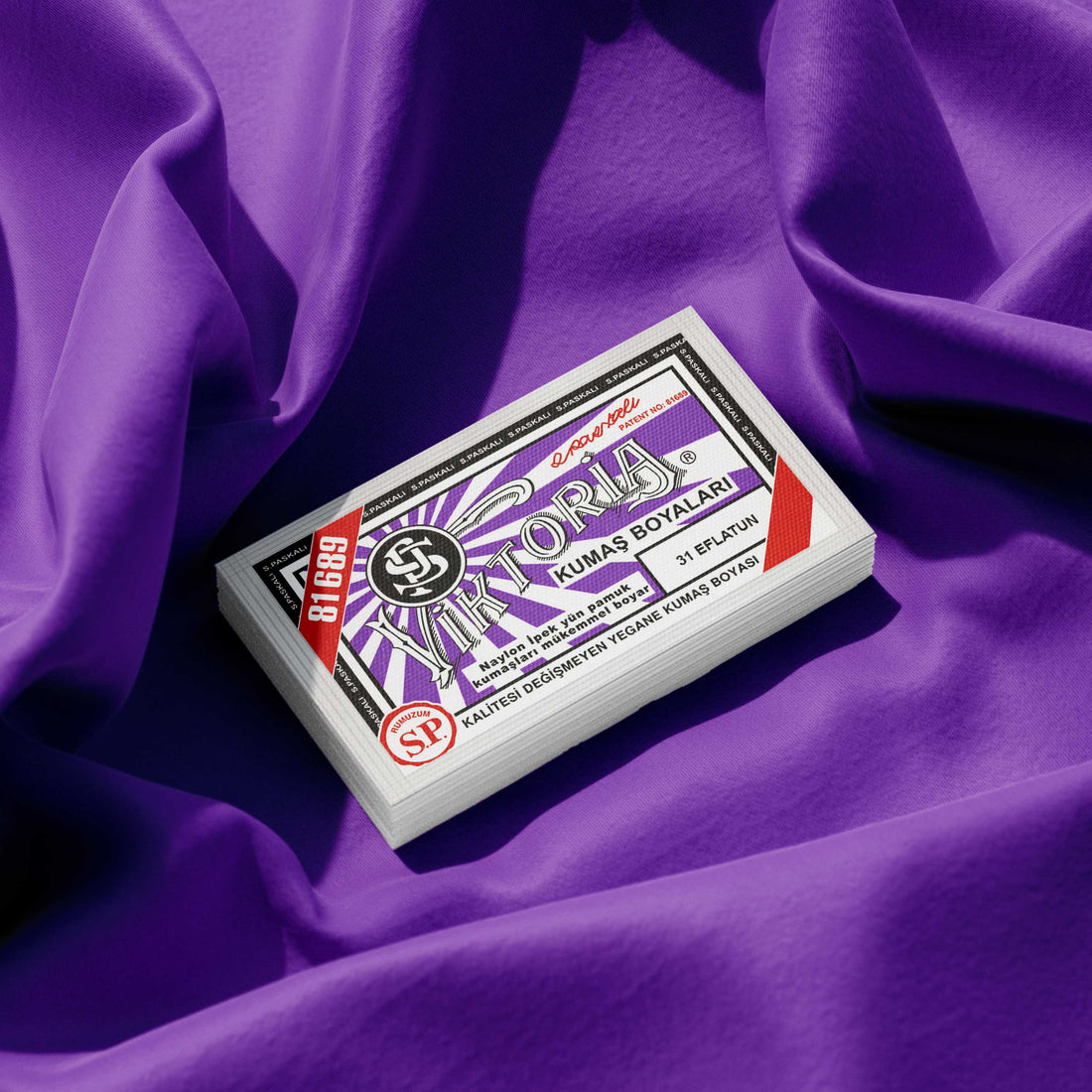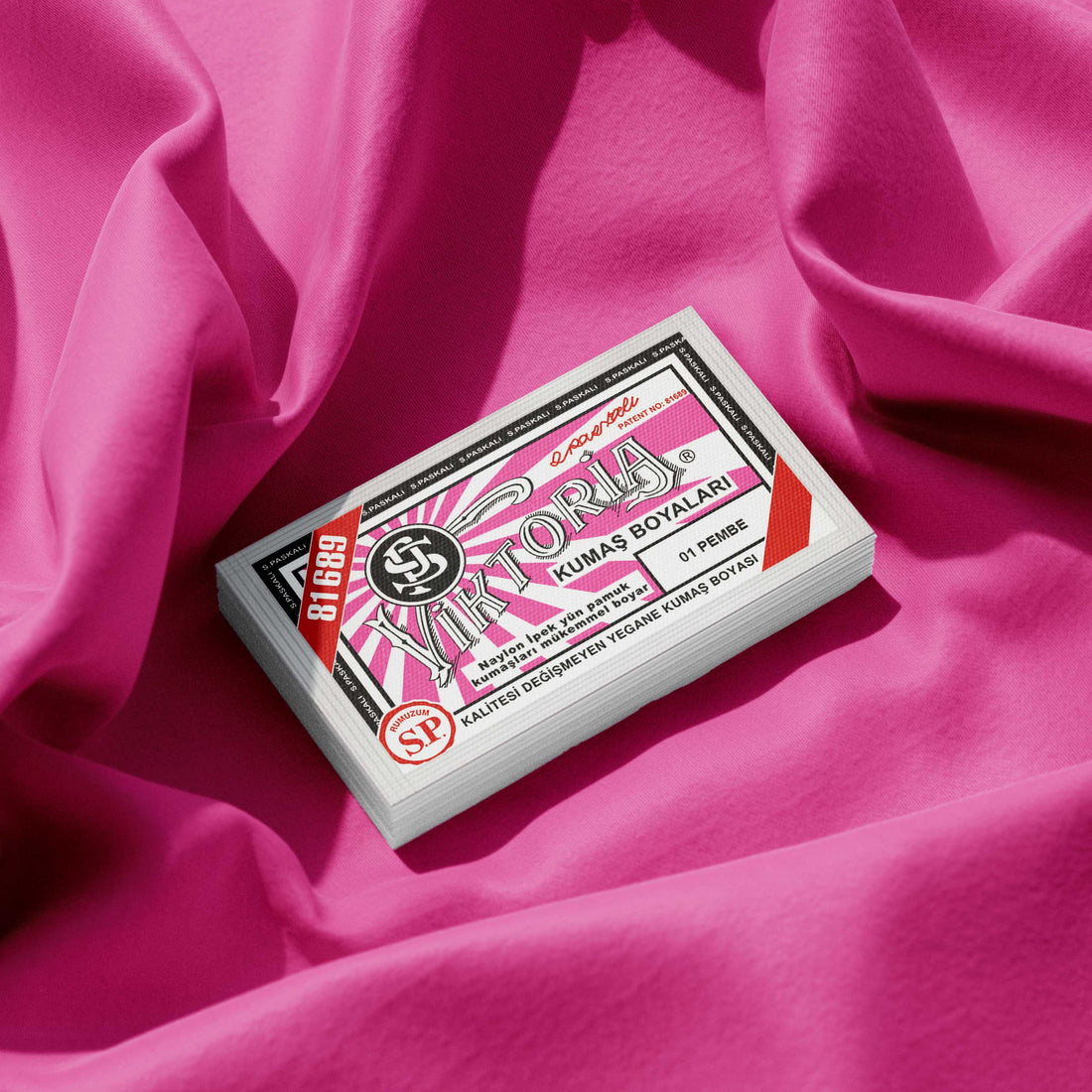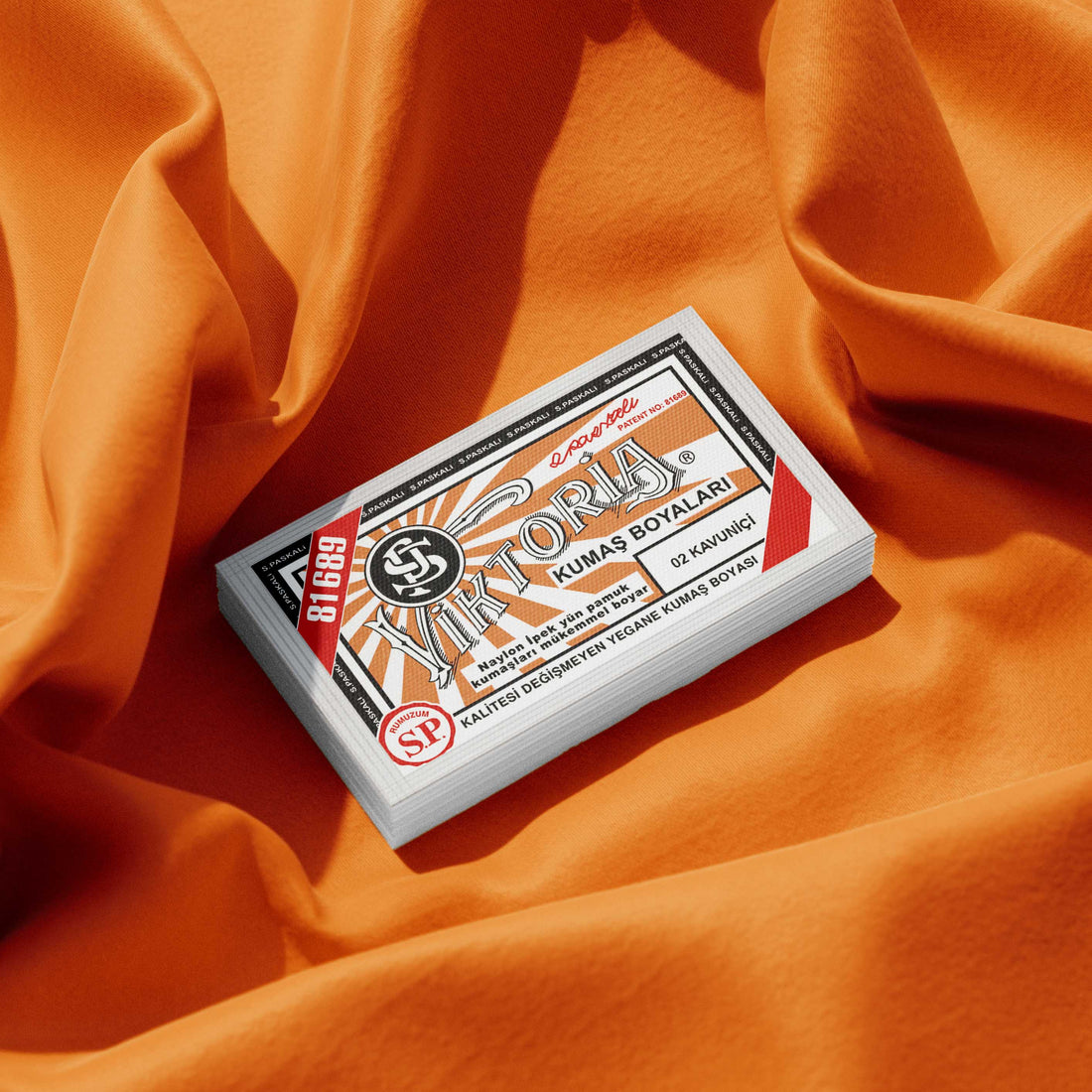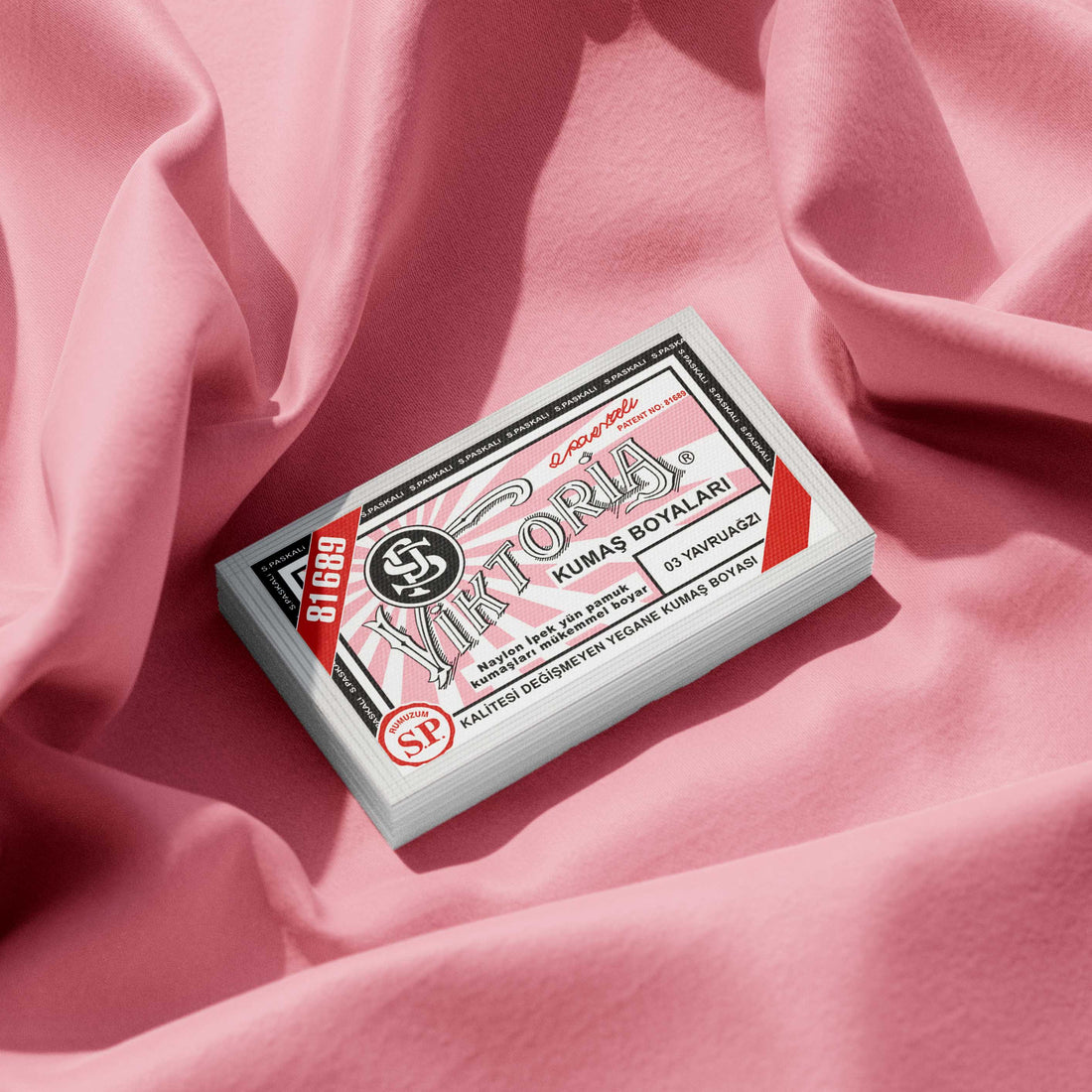

Mastering the art of mixing fabric dyes will allow you to transform your dyeing projects from simple to breathtaking. It will also help with fading or bleach stains. to cover them with the same color as the fabric in question. This comprehensive guide reveals proven techniques, color theory basics, and specific formulas for achieving customized and precise shades, helping beginners and enthusiasts achieve professional results every time.
Color wheel basics for effective color combinations
Understanding the color wheel is essential to effectively mixing colorants in general. The primary colors—red, yellow, and blue—form the base, while mixing them creates secondary hues such as orange (red + yellow), green (yellow + blue), and purple (red + blue). Tertiary colors, such as red-orange or blue-green, are obtained from unequal ratios, such as 2:1 between red and yellow.
We can start from a simple rule: equal parts of primary colors produce balanced secondary colors, while simply adjusting the intensity of one of the two colors will obtain more or less intense hues.

Primary Color Schemes: Creating Custom Basic Hues
Mixing primary colors offers endless possibilities for achieving specific hues. Start with small amounts: dissolve 1 teaspoon of powdered food coloring in 1 cup of warm water, then add other colors to achieve the desired shade, for example:
Bright purple: 1 part blue + 1 part red.
Forest Green: 2 parts yellow + 1 part blue.
Sunset Orange: 2 parts yellow + 1 part red.
Our advice: always test by dipping a corner of white fabric into the resulting color before adding more dye or dyeing the fabric permanently!

Shades and Secondary Tones: How to Get Pastels and Neutrals
Secondary color mixing focuses on hues (adding white or diluting in a 1:5 ratio) and shades (adding black or navy blue). For example, you can dilute a purple in a 1:5 ratio with water to obtain a softer lavender. Or:
Peach: 3 parts yellow + 1 part red/magenta, heavily diluted.
Antique rose: 2 parts magenta, 1 part yellow + traces of brown or gray, very diluted.
Moss Green: 1 part cyan, 2 parts yellow + traces of black, diluted.
Suggested technique: dye the fabric and let it dry before proceeding with a second dip with a different color to adjust the shade.

Chromatic L in fabric dyeing projects
Carefully match custom shades for a harmonious, professional-looking combination: use complementary colors like purple and yellow for vibrant tie-dye swirls, or analogous colors like blue-green-teal for subtle dip-dye gradients.
Ready to create your own color?
Aybel is the only fabric dye brand with such a wide range of colors to choose from, but that doesn't mean you'll find the perfect one for you! The solution is to create a completely customized one, starting from a wide selection of base colors. If you still have any questions or need help choosing colors, don't hesitate to contact our customer service team, who are always available to help. We look forward to hearing from you!